Unicorn History, Folklore & Collecting Unicorn Toys
Posted by Draben's Toyland on Nov 24th 2026
Unicorn History and Folklore: From Medieval Legends to Collectible Toys
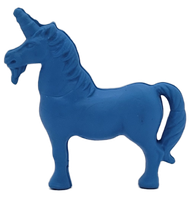
A unicorn might turn up in a medieval tapestry, on a Scottish coat of arms, or at the bottom of an old pencil box. That last one might be a blue rubber eraser, but it shares the feature that makes all three instantly recognizable. A single horn ties together centuries of very different ideas about what a unicorn looks like and what it can do. Those differences make unicorn toys and figurines especially fun to collect.
Where did the unicorn legend come from?
One of the earliest surviving descriptions in the Western tradition comes from the Greek physician Ctesias, writing around 400 BCE. He described a wild ass said to live in India with a single horn on its forehead. Later writers described one-horned animals with different features, giving readers a much wider range of creatures to imagine. Those accounts continued to circulate into the Renaissance, when naturalists such as Conrad Gessner weighed descriptions from earlier writers. Read about early unicorn accounts at Smithsonian Libraries and Archives.
Why were unicorn horns considered magical?
In medieval Europe, people attributed powers to the unicorn’s horn, including the ability to purify poisoned water. An actual object helped keep the story alive. The narwhal, an Arctic whale, has a long, spiraling tusk that people prized as a genuine unicorn horn. The tusk offered something tangible to display, and its shape helps explain the familiar spiral on so many unicorn figures today. Explore the narwhal’s place in unicorn folklore at The Metropolitan Museum of Art.
Unicorns in medieval art and Scottish heraldry
The Unicorn Tapestries at The Met Cloisters show how much variety medieval artists found in the same animal. In The Hunters Enter the Woods, the story opens with a hunt. In The Unicorn Rests in a Garden, the creature lies beneath a pomegranate tree inside a low fence. The garden scene dates to about 1495–1505, and The Met notes that it may have been created as a standalone image. View The Unicorn Rests in a Garden at The Met.
The unicorn also became a symbol of Scottish royalty and remains Scotland’s national animal. On the royal coat of arms, the Scottish unicorn appears alongside the English lion. Its chain and crown fit a tradition in which the unicorn was so powerful that only a king could command it. See examples of Scottish unicorn heraldry at the Royal Collection Trust.
Unicorn toys and collectibles at Draben’s Toyland
You can build a collection around a single maker or put several eras and materials on the same shelf. A tiny rubber unicorn beside a dark fantasy plush makes the range of designs easy to see.
- Safari Ltd Mythical Realms Pink Unicorn. The pink styling gives this sculpted figure a storybook look. Pair it with the Twilight Unicorn to see how much color changes the character of a display. See the Safari Ltd Pink Unicorn figure.
- Safari Ltd Twilight Unicorn. Gold hooves, a gold horn, and red roses in the mane give this figure the look of a unicorn from a darker fairy tale. See the Safari Ltd Twilight Unicorn figure.
- Vintage Diener Industries Blue Rubber Unicorn Eraser. This 2-inch novelty eraser fits into a pencil-box nostalgia display, a collection of rubber miniatures, or a shelf of vintage unicorns. See the Diener blue unicorn eraser.
- Hellion Black Unicorn Plush. The gray body, black mane and horn, and red eyes make this Pacific Giftware plush a natural fit on a gothic fantasy shelf. See the Hellion Black Unicorn plush.
- Vintage Enesco Flocked Unicorn. This cream-colored 2-inch figurine adds a velvety texture to a display of miniature collectibles. See the Enesco flocked unicorn figurine.
- 1983 Hasbro My Little Pony G1 Moondancer. Moondancer brings a vintage toy-line connection to the shelf. Look for the glitter moon and stars on the body and compare the original mane and tail colors when evaluating examples. See the vintage G1 Moondancer unicorn.
What to look for when collecting vintage unicorns
Start with the horn and the maker’s mark. Check the tip of the horn for chips, bends, or repairs. Then look beneath the figure or on the tag for a maker’s mark, country of origin, or copyright date. Photograph those details so you can compare similar pieces later.
Judge condition by the material. Check rubber erasers for rubbed edges, cracks, and signs of use. On flocked figurines, inspect the ears, muzzle, and feet for bare patches. Look at a plush unicorn’s seams and tags, and check vintage ponies for trimmed hair, staining, or worn symbols.
Keep packaging and tags with the piece. An original box, backing card, or hangtag can help identify a maker or release. If you collect loose pieces, save the listing photos and note the measurements so you can tell similar versions apart.
Pick a theme that fits your shelf. Start with pencil-box novelties if the Diener eraser brings back memories, pair a flocked miniature with Moondancer for a vintage display, or put the Safari Twilight Unicorn beside the red-eyed Hellion for a darker take on folklore. For more ideas, browse unicorn toys and collectibles at Draben’s Toyland.