Gargoyles: History, Folklore and Collecting Legendary Stone Guardians
Posted by Draben's Toyland on Nov 26th 2026
Gargoyles: History, Folklore and Collecting Legendary Stone Guardians
Perched above medieval cathedrals, with mysterious faces, powerful claws and sometimes enormous wings, gargoyles have captivated generations. From the rooftops of Gothic churches to modern fantasy stories, these fascinating creatures occupy a unique place in architecture, folklore and popular culture.
Today, collectors can bring these legendary stone guardians home in the form of gargoyle figurines, plush toys and nostalgic Disney collectibles. Whether you love medieval mythology or Gothic décor, there is a whole world of gargoyle history waiting to be discovered.
What Are Gargoyles?
In architecture, a gargoyle is a carved waterspout that directs rain away from the walls of a building. Projecting outward from rooftops, these sculptures helped protect stonework from erosion while giving medieval buildings a striking personality.
The word gargoyle comes from French terms associated with the throat and the sound of flowing water. Although similar animal-shaped drainage features existed earlier, the characteristic elongated Gothic gargoyle became prominent in France during the 1200s.
The scholarly article On the Meaning of Gargoyles explores their medieval development and the many symbolic interpretations of these unusual carvings.
Gargoyles vs. Grotesques: What's the Difference?
Not every frightening stone creature is technically a gargoyle.
- Gargoyles: Sculptures incorporating a water outlet.
- Grotesques: Decorative carvings that may resemble monsters, animals or exaggerated human faces but do not function as waterspouts.
- Chimeras: Fantastical composite creatures, often used decoratively.
In everyday language and fantasy collecting, the word gargoyle is commonly applied to all these mysterious stone creatures.
The Legend of La Gargouille
One of the most famous gargoyle legends comes from Rouen, France. According to folklore, a terrifying dragon called La Gargouille threatened the community near the River Seine.
The legend tells how Saint Romanus, a bishop associated with seventh-century Rouen, subdued the beast. In one version, after the creature was destroyed, its fire-resistant head and neck survived and were displayed as a warning.
This story has become associated with the fearsome appearance of architectural gargoyles. While it is a legend rather than a documented explanation for their invention, it illustrates how stories of monsters, faith and protection became intertwined.
Learn more about this tale in Princeton University's Little Book of Gargoyles.
Were Gargoyles Believed to Ward Off Evil?
Gargoyles are often imagined as guardians stationed outside sacred buildings. One popular interpretation is that their intimidating features could frighten away evil spirits. Other interpretations suggest the monstrous carvings represented sin, temptation or the dangers that existed outside the sanctuary.
Medieval artists also incorporated humor, imagination and animal symbolism into stone sculpture. Not every carving had the same meaning, and historians continue to debate their significance.
Modern fantasy embraces the guardian idea especially strongly, transforming these frightening sculptures into loyal protectors capable of coming to life after dark.
The Famous Gargoyles of Notre-Dame de Paris
Few buildings are as closely associated with gargoyles as Notre-Dame Cathedral in Paris. Its elaborate drainage system used stone spouts to carry rainwater away from its walls.
Many of the cathedral's best-known decorative chimeras, however, were introduced during the nineteenth-century restoration associated with architect Eugène Viollet-le-Duc. One famous example is the thoughtful, winged creature known as the Stryge, gazing over Paris with its head resting in its hands.
Explore the cathedral's official guide to exterior architecture and read about the restoration of its gargoyles and chimeras.
Gargoyles in Disney and Popular Culture
In 1994, Disney introduced the animated television series Gargoyles, giving the stone guardian legend a new generation of fans. The series followed Goliath and his clan, medieval creatures who awaken in modern New York and protect the city after sunset.
The combination of supernatural adventure, mythology and memorable characters helped the series develop a devoted following. Learn more about the original show through Disney's official D23 Gargoyles archive.
Disney also introduced audiences to the humorous gargoyles Victor, Hugo and Laverne in its 1996 animated film The Hunchback of Notre Dame. These characters brought a playful personality to the legendary stone creatures and inspired nostalgic promotional toys.
Collecting Gargoyle Figures, Plush Toys and Vintage Memorabilia
Gargoyle collectibles appeal to enthusiasts of fantasy creatures, Gothic art, medieval history and vintage animation. At Draben’s Toyland, you can explore several different interpretations of these legendary creatures.
Safari Ltd Mythical Realms Gargoyle Figure
The Safari Ltd Mythical Realms Gargoyle captures the traditional appearance of a mysterious stone monster in collectible figure form. It is a great centerpiece for a fantasy creature collection, medieval display or Gothic-themed shelf.
Hellion Gargoyle 8-Inch Plush
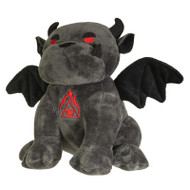
For a softer take on the mythical guardian, the Hellion Gargoyle 8″ Stuffed Plush by Pacific Giftware features a gray body, contrasting black wings and horns, and striking red eyes. Its combination of spooky and adorable makes it a fun addition to a plush collection or Halloween-inspired display.
Vintage Disney Gargoyle Toys
Fans of 1990s cartoons and fast-food promotional collectibles can explore these nostalgic product listings:
- 1995 Burger King Gargoyles Defenders of the Night Color Transforming Cup
- 1996 Burger King The Hunchback of Notre Dame Gargoyle Hugo
- 1996 Burger King The Hunchback of Notre Dame Gargoyle Victor
- 1996 Burger King The Hunchback of Notre Dame Gargoyle Laverne
These different designs show how gargoyles have evolved from imposing architectural features into beloved characters. Check each listing for current availability and condition.
Tips for Building a Gargoyle Collection
- Combine traditional mythical gargoyle figurines with dragons and other fantasy creatures.
- Look for distinctive poses, wings, facial expressions and stone-like finishes.
- Include vintage cartoon merchandise and promotional toys for a nostalgic touch.
- Create a Gothic display using miniature castles, bookcases or dark decorative accents.
- Check vintage collectibles for maker markings, missing pieces, paint wear and original packaging.
Explore our Safari Ltd toy figures to discover additional companions for your mythical creature display.
Frequently Asked Questions About Gargoyles
Are gargoyles real or mythical?
Architectural gargoyles are real carved drainage features. Living gargoyle monsters belong to folklore and fantasy.
Why do gargoyles look frightening?
Their exaggerated features reflect medieval artistic traditions, imaginative creatures and various possible religious or protective interpretations.
Do gargoyles come alive at night?
The idea that gargoyles awaken after sunset is a popular fantasy motif rather than a historical fact.
Where can I buy gargoyle collectibles?
Draben’s Toyland features gargoyle-inspired figures, plush toys and vintage promotional collectibles. Browse the linked listings above to discover your next mythical guardian.
Bring Home Your Own Legendary Stone Guardian
From medieval cathedral rooftops to Disney adventures and modern fantasy collections, gargoyles continue to inspire fascination. Their intriguing blend of history, mystery and imagination makes them a memorable collectible subject.
Discover more mythical creatures, nostalgic toys and unique treasures at Draben’s Toyland — where nostalgia and imagination come together!